
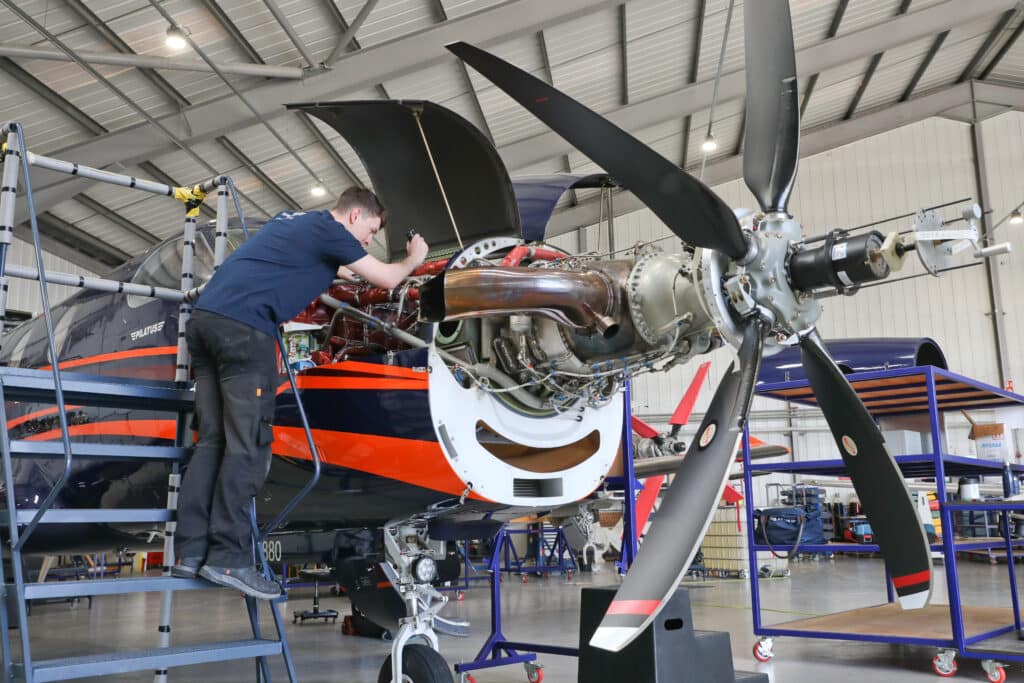
In aviation, airworthiness is not a static condition—it is continuously earned through structured maintenance, engineering oversight, and strict regulatory compliance. Every aircraft, regardless of size or operation, is subject to a defined inspection programme designed to ensure safety, performance, and reliability throughout its lifecycle.
Among the most critical elements of this programme are the 100-hour inspection and the annual inspection. While both are mandatory under most aviation authorities, they serve distinct purposes within a broader continuous airworthiness framework—one focused on frequent condition monitoring, the other on comprehensive system validation.
Understanding the Role of Scheduled Inspections
Aircraft operate under highly dynamic conditions: pressurisation cycles, vibration, thermal stress, and environmental exposure all contribute to gradual wear across systems and structures. Unlike other industries, aviation cannot rely on failure-based maintenance. Instead, it follows a preventive and predictive maintenance model, where inspections are scheduled based on time, usage, and component life limits.
Both 100-hour and annual inspections are built around this philosophy—identifying early-stage degradation before it develops into a safety risk or operational disruption.
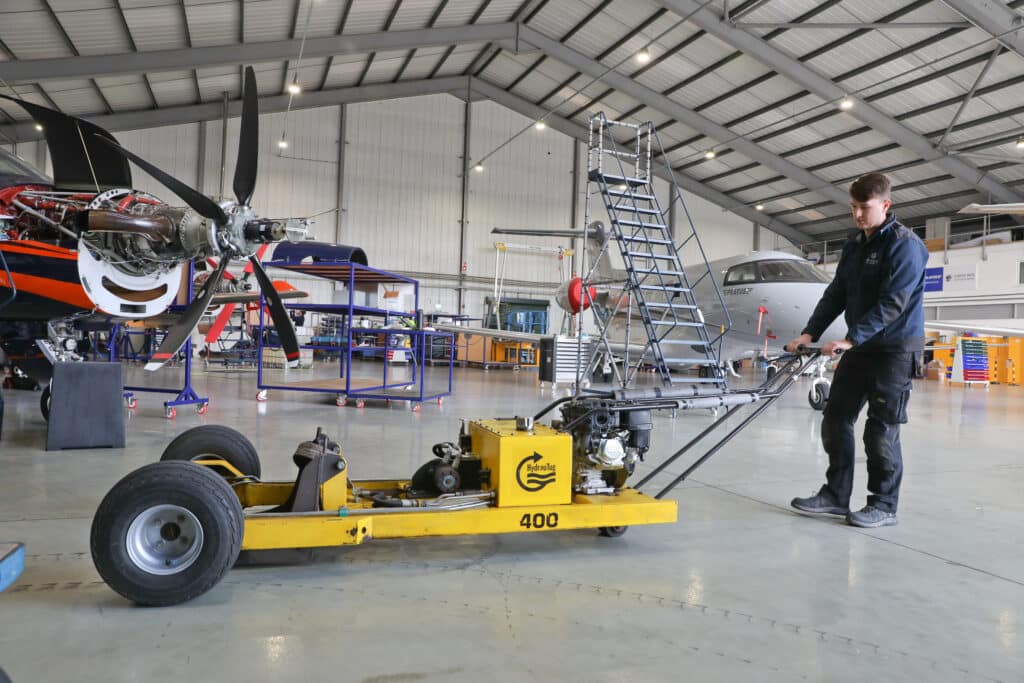
100-Hour Inspection: High-Frequency Technical Oversight
The 100-hour inspection is typically required for aircraft used in commercial operations or flight training, where utilisation rates are significantly higher. It acts as a recurring technical checkpoint, ensuring that high-cycle aircraft remain within safe operating parameters.
Although less extensive than an annual inspection, the 100-hour check is still highly detailed and follows manufacturer-approved maintenance data.
Key Areas of Inspection
1. Powerplant and Propulsion Systems
- Visual and functional inspection of the engine, including:
- Oil system integrity (filters, lines, and contamination checks)
- Detection of leaks, abnormal wear, or overheating signs
- Oil filter inspection for metallic debris, which may indicate internal component wear
- Review of engine performance trends (where monitoring systems are installed)
2. Airframe and Structural Components
- Inspection of primary and secondary structures for:
- Cracks, deformation, or fatigue indicators
- Corrosion, particularly in joints, fasteners, and exposed surfaces
- Examination of access panels, fairings, and attachment points
3. Landing Gear and Braking Systems
- Tyre condition and wear patterns (often indicative of alignment or braking issues)
- Brake system functionality, including pads, discs, and hydraulic lines
- Shock absorber (oleo strut) condition and pressure levels
4. Flight Controls
- Verification of control surface movement, alignment, and travel limits
- Inspection of linkages, cables, pulleys, and actuators
- Detection of excessive play, stiffness, or asymmetry
5. Avionics and Electrical Systems
- Functional checks of navigation, communication, and flight instruments
- Inspection of wiring for wear, insulation damage, or loose connections
- Battery condition and charging system performance
Any discrepancies identified during the inspection must be rectified before the aircraft is returned to service, reinforcing the preventive nature of the process.
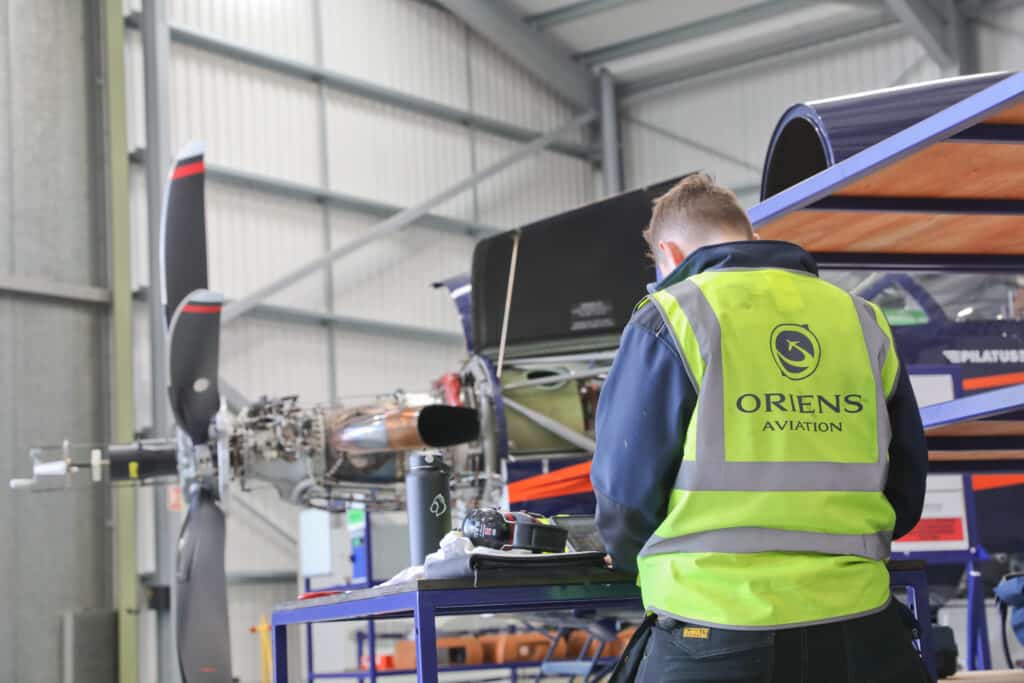
Annual Inspection: Comprehensive Airworthiness Evaluation
The annual inspection represents a significantly deeper level of analysis and is required for all aircraft, regardless of usage. It is effectively a full-system audit, ensuring that the aircraft meets all regulatory and manufacturer-defined airworthiness standards.
This inspection must be signed off by an appropriately authorised engineer or inspector and often involves partial disassembly of the aircraft.
Scope and Technical Depth
1. Structural Inspection & Non-Destructive Testing (NDT)
- Detailed examination of the fuselage, wings, empennage, and load-bearing structures
- Use of advanced inspection techniques such as:
- Eddy current testing
- Ultrasonic inspection
- Dye penetrant methods
- Identification of hidden defects such as microcracks or subsurface corrosion
2. Engine and Propulsion Systems
- In-depth inspection beyond routine checks, potentially including:
- Borescope inspections of internal engine sections
- Detailed assessment of mounts, vibration points, and exhaust systems
- Verification of compliance with manufacturer service intervals
3. Fuel Systems
- Inspection of tanks, fuel lines, pumps, and selectors
- Checks for contamination (water, microbial growth, particulates)
- Calibration and validation of fuel quantity indication systems
4. Electrical and Avionics Systems
- System-wide functional testing
- Inspection of circuit protection devices, wiring integrity, and load distribution
- Verification of redundancy systems and failure modes
5. Environmental and Pressurisation Systems
- Leak checks in pressurised aircraft
- Inspection of valves, seals, and environmental control components
- Functional testing of heating, cooling, and airflow systems
6. Documentation and Compliance
- Review of maintenance logs and technical records
- Verification of compliance with:
- Airworthiness Directives (ADs)
- Service Bulletins (SBs)
- Tracking of life-limited components and replacement schedules
100-Hour vs Annual Inspection: Key Differences
While both inspections share overlapping elements, their intent and depth differ significantly:
- Frequency:
- 100-hour: Based on flight time
- Annual: Based on calendar time
- Scope:
- 100-hour: Focused on operational wear and immediate airworthiness
- Annual: Comprehensive evaluation of the entire aircraft
- Regulatory Oversight:
- Annual inspections require higher-level certification and sign-off
- Downtime:
- Annual inspections typically involve longer grounding periods due to their depth
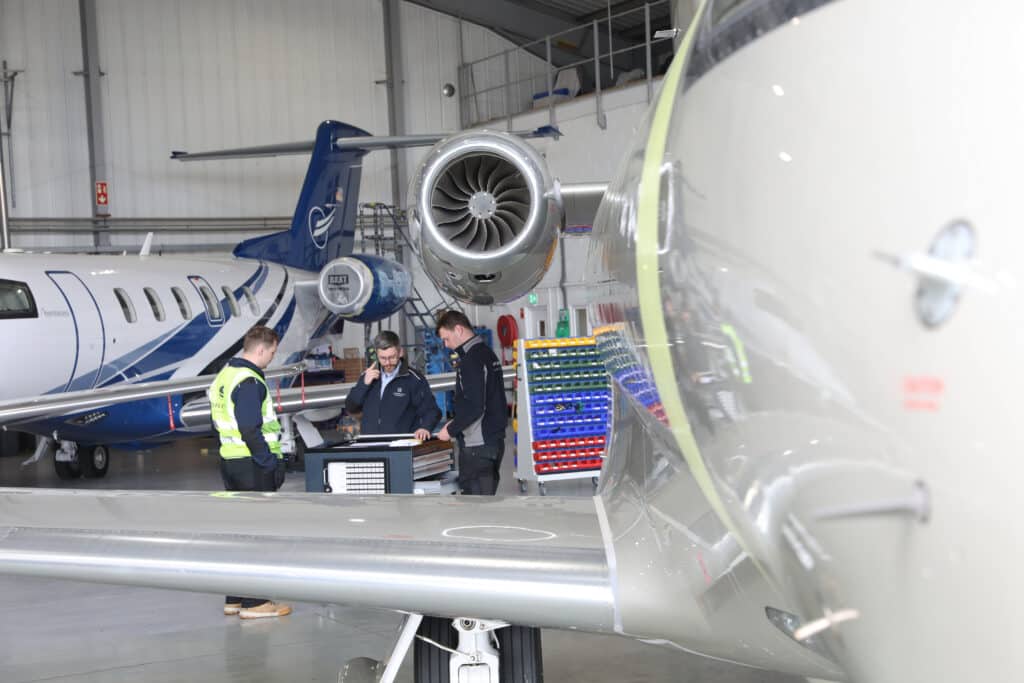
Why These Inspections Are Critical
From an engineering perspective, the importance of these inspections lies in risk mitigation and lifecycle management.
1. Early Fault Detection
Minor issues—such as small cracks, fluid contamination, or electrical wear—can be identified and corrected before escalating into major failures.
2. Operational Reliability
Consistent inspection reduces the likelihood of unscheduled maintenance events, improving aircraft availability and dispatch reliability.
3. Safety Assurance
Aviation safety depends on redundancy and verification. Inspections act as a systematic validation that all systems perform within certified limits.
4. Asset Preservation
Aircraft represent significant capital investment. Proper maintenance protects long-term value by ensuring structural integrity and full compliance with maintenance programmes.
5. Regulatory Compliance
Failure to adhere to inspection schedules can result in grounding, penalties, and invalidation of airworthiness certification.
Maintenance Programmes in Modern Pilatus Aircraft
Modern aircraft manufacturers continue to evolve maintenance philosophy by extending inspection intervals and implementing condition-based maintenance logic designed to improve efficiency without compromising safety.
Pilatus PC-24 Inspection Programme
The Pilatus PC-24 follows a scheduled maintenance programme based on 600 flight hours or 12 months, whichever occurs first. The aircraft utilises MSG-3 (Maintenance Steering Group-3) logic, a methodology widely adopted in modern aviation to optimise maintenance planning through reliability analysis and failure prevention.
Key maintenance events include:
- Scheduled inspections every 600 flight hours / 12 months
- Annual airworthiness inspections
- Engine maintenance requirements for the Williams International FJ44-4A engines, including:
- Hot Section Inspection (HSI) at approximately 2,500 flight hours
- Full engine overhaul at approximately 5,000 flight hours
This extended interval structure reflects the aircraft’s advanced systems architecture and predictive maintenance philosophy, reducing unnecessary downtime while maintaining strict operational safety standards.
Pilatus PC-12 Inspection Programme
The Pilatus PC-12 operates under a structured Master Maintenance Plan (MMP) designed around extended inspection intervals compared to traditional general aviation aircraft.
Rather than older 100-hour or 150-hour inspection cycles, the PC-12 utilises maintenance packages scheduled at:
- 300 flight hours
- 600 flight hours
- 1,200 flight hours
- 2,400 flight hours / 24 months
Many inspection items also follow a “whichever comes first” principle, combining both operational hours and calendar-based limitations to ensure continuous airworthiness regardless of utilisation levels.
This maintenance framework allows operators to achieve improved operational efficiency while maintaining compliance with manufacturer and regulatory airworthiness requirements.
Conclusion
Aircraft inspections are far more than regulatory requirements — they are a fundamental part of aviation safety, reliability, and long-term operational performance. From routine 100-hour inspections to comprehensive annual evaluations and advanced programmes used on aircraft such as the Pilatus PC-12 and Pilatus PC-24, every inspection is designed to ensure continuous airworthiness and early detection of potential issues.
Modern maintenance programmes combine engineering oversight, preventive maintenance, and strict regulatory compliance to minimise operational risk while maximising aircraft availability and asset longevity. Every inspection, system check, and maintenance record contributes to a broader safety culture that defines the aviation industry.
In aviation, reliability is never assumed — it is continuously inspected, verified, and maintained.